



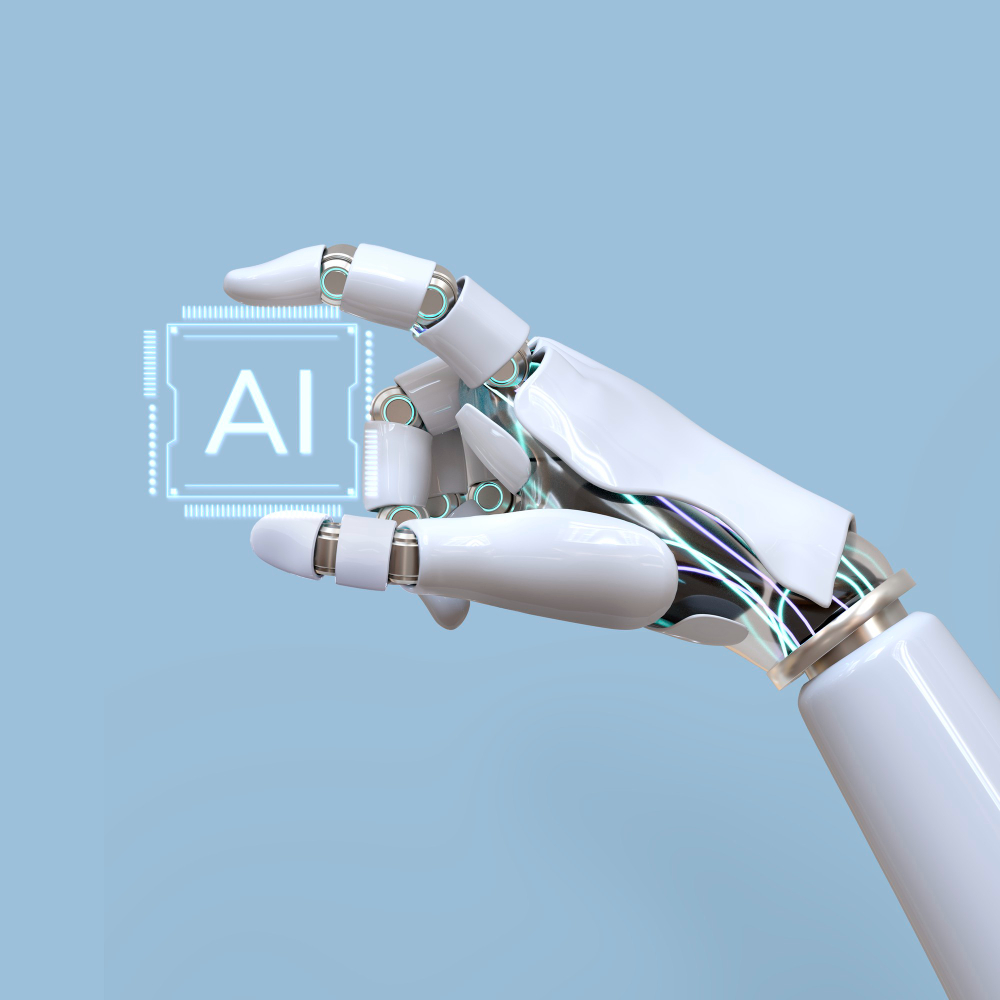
In a rapidly evolving tech landscape, software engineers are increasingly integrating artificial intelligence (AI) into their daily workflows. A recent survey revealed a spectrum of opinions on AI’s role in programming, highlighting both enthusiasm and skepticism among developers regarding its impact on their jobs.
Key Takeaways
- Diverse Opinions: Engineers are divided on AI’s potential to replace programming jobs.
- AI as a Tool: Many view AI as a supportive tool rather than a replacement.
- Job Evolution: The role of software engineers is changing, with a focus on adaptation.
The Current Landscape of AI in Software Development
The integration of AI into software development has sparked a lively debate among engineers. While some embrace AI as a daily tool, others remain cautious, fearing it may threaten their job security. The survey conducted among a wide range of software engineers revealed conflicting perspectives:
- Daily Use vs. Total Rejection: Some programmers reported using AI tools every day, while others refused to engage with them altogether.
- Corporate Policies: Companies are also split; some invest heavily in AI services, while others impose strict bans on their use.
The Debate: Will AI Replace Programmers?
The question of whether AI will eventually replace programming jobs is a hot topic. Survey responses indicate a clear divide:
- Optimists: A small group believes AI will eventually take over programming roles, leading to significant job losses.
- Sceptics: Many engineers argue that AI is more akin to a highly efficient intern—helpful but lacking the nuanced understanding required for complex tasks.
- Realists: The majority see AI as a tool that enhances productivity, automating repetitive tasks while leaving creative and complex problem-solving to humans.
AI: A Force Multiplier, Not a Job Killer
The consensus among many engineers is that AI is not a job killer but rather a force multiplier. It automates mundane coding tasks, allowing developers to focus on more strategic aspects of their work. This shift necessitates a change in skill sets:
- Adaptation Required: Engineers must adapt to new tools and workflows to remain relevant in the industry.
- Focus on Creativity: As AI handles routine tasks, human programmers can concentrate on creativity, architecture, and debugging.
The Future of Software Engineering
As AI continues to evolve, so too will the role of software engineers. The industry is at a crossroads, with the potential for AI to reshape job descriptions and workflows. Here are some predictions for the future:
- Increased Collaboration: Engineers will work alongside AI tools, leveraging their capabilities to enhance productivity.
- New Job Roles: As AI takes over certain tasks, new roles may emerge that focus on managing and improving AI systems.
- Continuous Learning: Ongoing education and training will be essential for engineers to keep pace with technological advancements.
In conclusion, while the fear of job loss looms large, the reality is that AI is transforming the landscape of software engineering. Embracing these changes and adapting to new tools will be crucial for engineers looking to thrive in this new era of technology.

